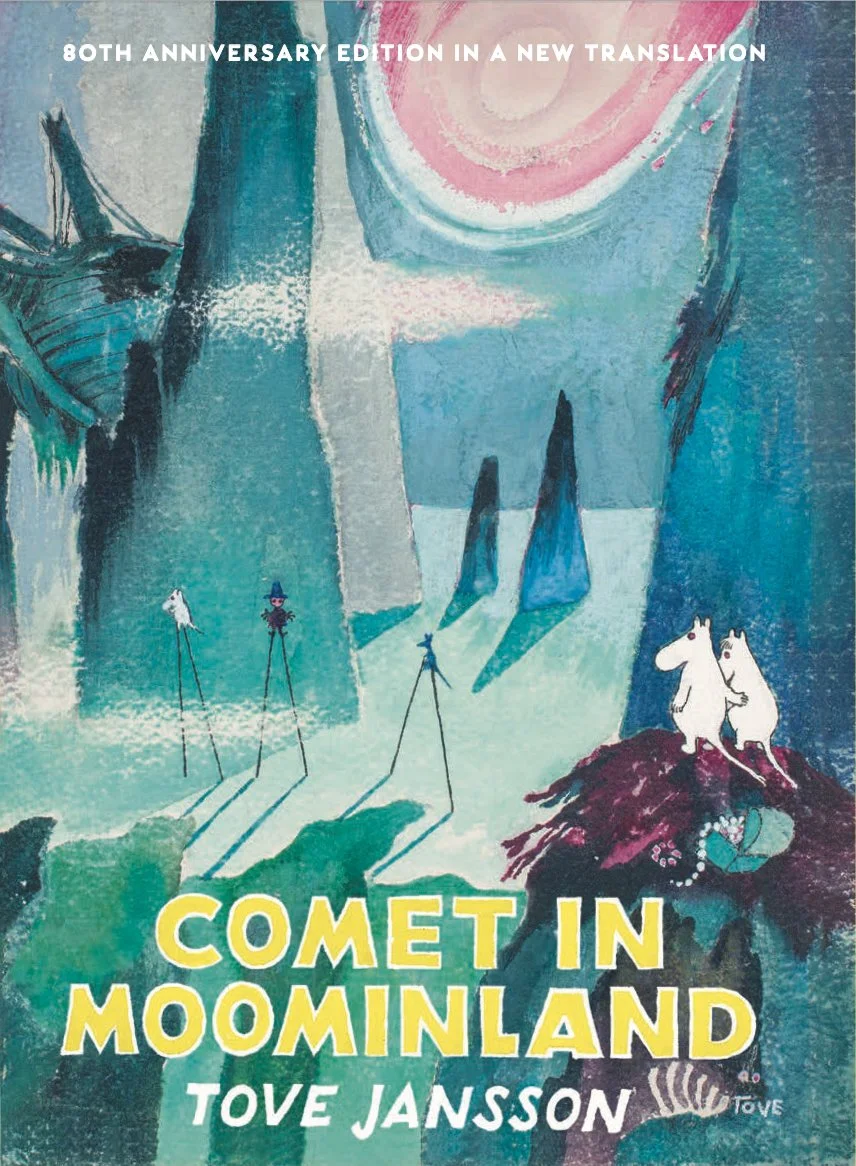
Comet in Moominland

Comet in Moominland reminds us to be brave, welcoming to outsiders, and nurture hope, even when calamity threatens.

Comet in Moominland, the first full-length Moomin novel, was published 80 years ago. Tove Jansson revised the text a decade later and again in 1968, reorganising the story and adding new characters. This version became definitive and has been translated into over 60 languages. Now for the first time this edition can be read in English, in a brand-new translation.

Tove Jansson’s story of a mysterious, threatening comet, and the journey of discovery by Moomin and his friend Sniff across the Lonely Mountains, has captivated generations of readers across the world. The story introduced much-loved Moomin characters, including the free-spirited Snufkin, the philosophical Muskrat, the intuitive Snorkmaiden, obsessional Hemulens and strange Hattifatteners.
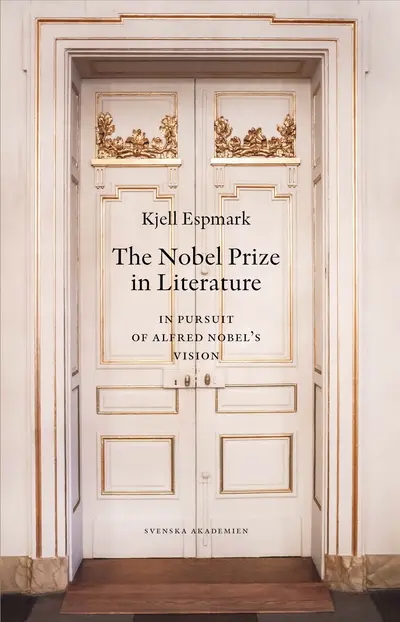
 

The Nobel Prize in Literature: In Pursuit of Alfred Nobel’s Vision

‘Indeed, the history of the Nobel Prize in Literature appears to be a series of attempts to interpret an unclear will.’ How does one appraise literary quality and just what did Alfred Nobel have in mind when he wrote in his will that his Literature Prize be awarded to a person who had ‘produced the most outstanding work in an …

‘Indeed, the history of the Nobel Prize in Literature appears to be a series of attempts to interpret an unclear will.’

How does one appraise literary quality and just what did Alfred Nobel have in mind when he wrote in his will that his Literature Prize be awarded to a person who had ‘produced the most outstanding work in an ideal direction’? Why was the very first recipient of the Nobel Prize in Literature Sully Prudhomme, while Lev Tolstoy was overlooked? How have the winners been chosen? In this volume, Kjell Espmark (1930–2022) adeptly surveys the first 120 years of the prize and presents the Nobel Committee’s reasoning. His deep knowledge of the Nobel Prize in Literature and personal experience of deciding the winners give unprecedented insight into the workings of the prize. The final chapters focus on the Committee’s broadened horizons and revised modus operandi, as well as the most propitious choice of Nobel laureate of all time.

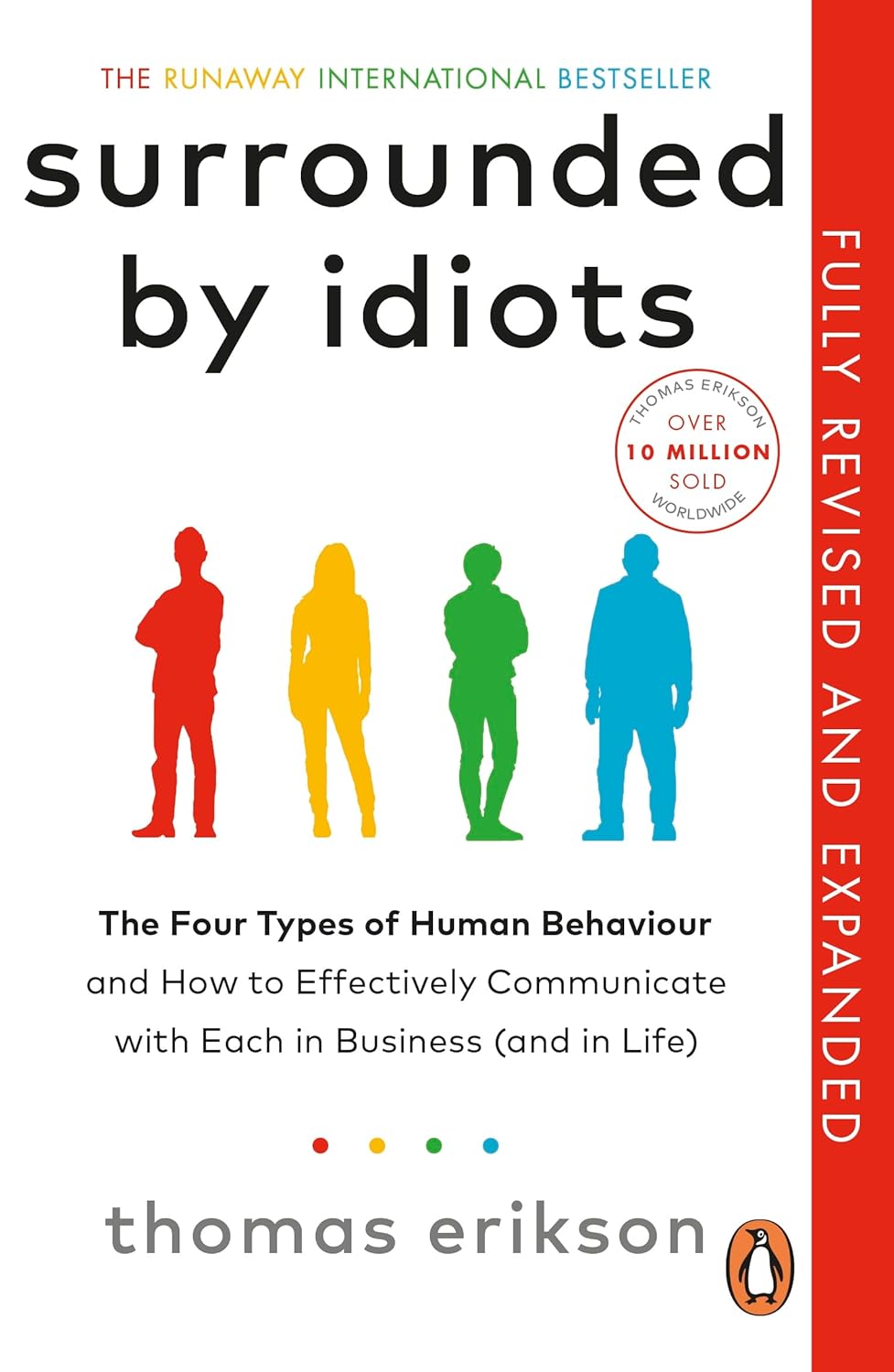
Surrounded by Idiots

Surrounded by Idiots: The Four Types of Human Behaviour and How to Effectively Communicate with Each in Business (and in Life) Marking the book’s tenth anniversary, this bestselling global phenomenon has now been fully revised and updated. (Also published in the USA by St. Martin’s Essentials).

Surrounded by Idiots: The Four Types of Human Behaviour and How to Effectively Communicate with Each in Business (and in Life)

Marking the book’s tenth anniversary, this bestselling global phenomenon has now been fully revised and updated.

(Also published in the USA by St. Martin’s Essentials).

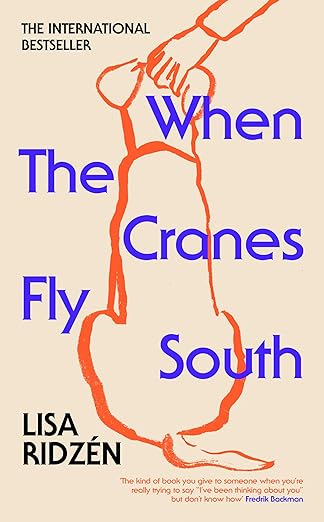
When The Cranes Fly South

A moving and life-affirming novel about one man’s desire to preserve his autonomy, the multitude of stories contained within a life, and the big things for which we have no words.

Bo lives a quiet existence in his small rural village in the north of Sweden. He is elderly and his days are punctuated by visits from his care team and his son.

Fortunately, he still has his rich memories, phone calls with his best friend Ture, and his beloved dog Sixten for company.

Only now his son is insisting the dog must be taken away. The very same son that Bo is wanting to mend his relationship with before his time is up. The threat of losing Sixten stirs up a whirlwind of emotions and makes Bo determined to resist and find his voice.

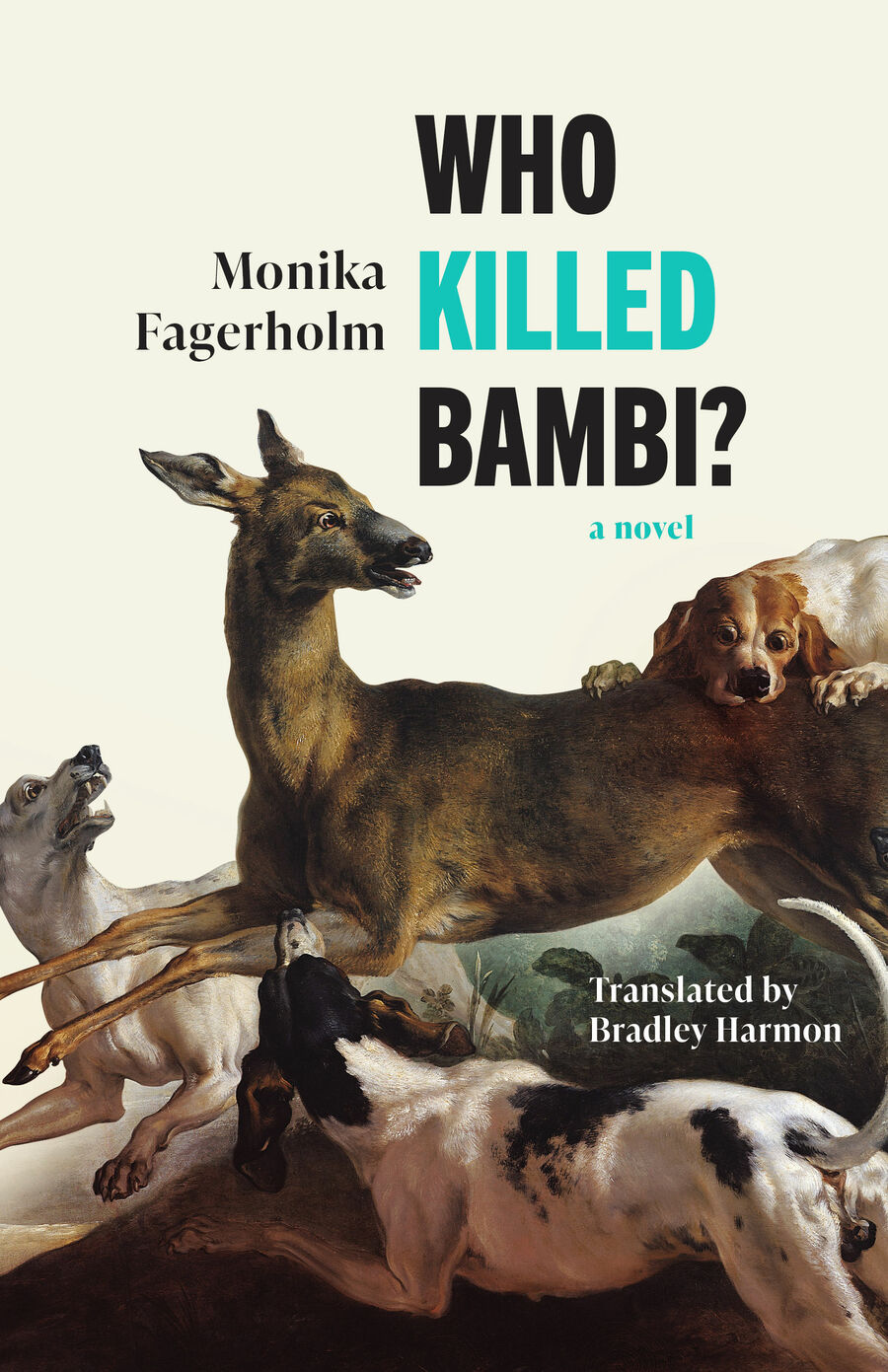
Who Killed Bambi?

Published to great acclaim in the original Swedish, Who Killed Bambi? weaves together a complex network of causality and consequences. Fagerholm’s indicting, sharp prose leads the reader back and forth through time, abandoning linear narrative. This kaleidoscopic, elliptical approach shatters the facade of contemporary polite society, examining the sinister forces that attempt to maintain and protect the status quo in the aftermath of a violent event that shocks an entire community. 

Set in a fictional, affluent suburb of Helsinki, the main narrative of Who Killed Bambi? follows Gusten Grippe, a successful realtor haunted by his role as one of the four teenage rapists, and the only one to report the crime and admit his guilt. When, a decade afterward, an acquaintance plans to make a movie about what happened, Gusten attempts to atone for his past in the face of the community’s stoic silence and misguided consideration for reputation. Released at the height of the #MeToo movement and translated into a dozen languages, Who Killed Bambi? remains highly relevant in a world grappling with the ubiquity of sexual violence, toxic masculinity, and gender discrimination. This deft and bold translation by Bradley Harmon makes the work available to English-language readers for the first time.

The Girl With Ice in her Veins

“Well, there’s one thing we can agree on, at any rate. We failed miserably in almost every respect. Perhaps we’re getting old.”
“Especially you,” says Lisbeth Salander, pouring Coke over clinking ice. “Maybe you should get your hair cut? Men with short hair look younger.”
Mikael runs his hand through his hair, a pure reflex action that makes Lisbeth smile.
“Gotcha. But you’re right, we never reached top form in that Norrland shitshow. It was too cold, I guess.”

Prospectors who can smell money. Big money, or they would have stayed in the sun. Like diviners, they put their ear to the granite and say, “Here lie such extraordinary riches that no-one will be able to refuse.” When the fun is over, they are already far away. Far from poisoned watercourses and contaminated ground, far from unemployed miners whose lungs have breathed in silica, asbestos and diesel fumes.

In the latest instalment of the Millennium series, spring returns to Sweden’s far north, but a night-time explosion destroys a historic river bridge in the forest, shocks the residents of the small town of Gasskas and leaves the police playing catch-up in a fast-moving situation. Natural resources in the region are being shamelessly exploited by shadowy multinationals and their local government puppets, opposed only by Lisbeth Salander’s niece Svala and a group of environmental activists. What begins as a protest spins out of control when a young journalist is found murdered. Lisbeth’s long-term sidekick, journalist Mikael Blomkvist, not in the best of health, is about to move north from Stockholm to become the editor at of the local newspaper and be near his daughter and grandson. He  unravels a story that has the makings of an explosive scandal. Lisbeth, meanwhile, is desperate to track down her old hacker friend, Plague, who has vanished. When it becomes clear that both she and Svala are on a secret underworld hit list, Lisbeth decides to stake everything on keeping Svala safe.

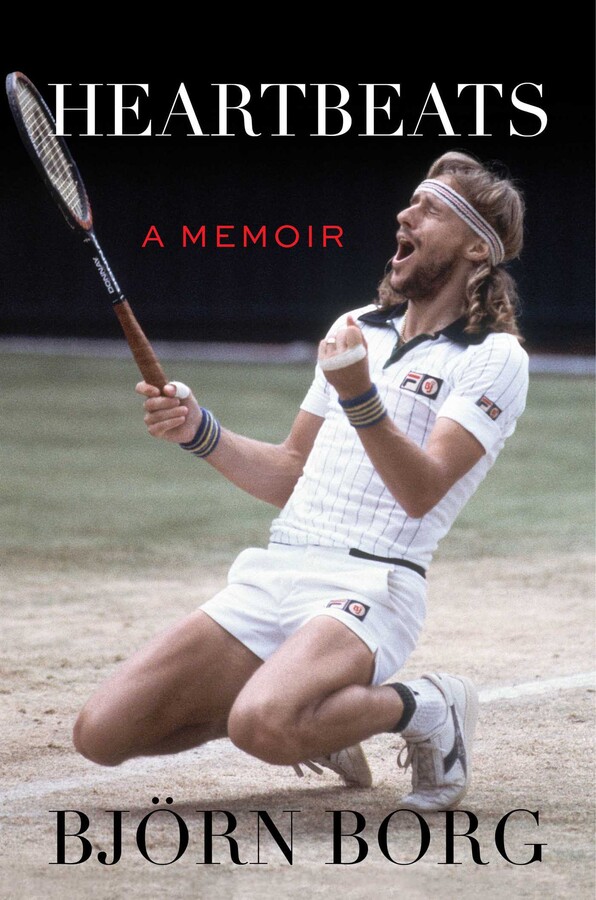
Heartbeats: A Memoir

Idol. Legend. Enigma. For the first time, one of the all-time greatest sportsmen is finally ready to share his astonishing story: the long-awaited tell-all memoir from Björn Borg.

No one had ever played tennis quite like Björn Borg. With his incredible athleticism, powerful shot-making and distinctive style, he became a sensation after he burst onto the scene at just fifteen years old. As he ascended to the pinnacle of men’s tennis, Borg experienced unprecedented stardom and success that changed the game forever.

Hailed as one of the most talented players to ever step onto a tennis court, Borg collected the game’s highest honors, including eleven Grand Slam titles – with five consecutive Wimbledon titles – establishing himself as one of the greatest of all time. Then he stunned the sporting world by announcing his retirement at the age of twenty-six and disappeared from tennis.

After all these years of silence, Borg is ready to share everything. In this candid memoir, Borg takes us through all the major moments in his career, shares insights into his rivalry with John McEnroe and their legendary 1980 Wimbledon final, and explains his shock retirement. Borg writes candidly about his childhood, his early stardom, and his uncomfortable relationship with fame, alongside all the highs and lows of his unmatched career.

This look behind the curtain at an enigmatic player who has fascinated generations of tennis fans, is ultimately a remarkable look at the making of sporting legend and, for readers who know nothing about tennis, a rare glimpse into an extraordinary, compelling life.

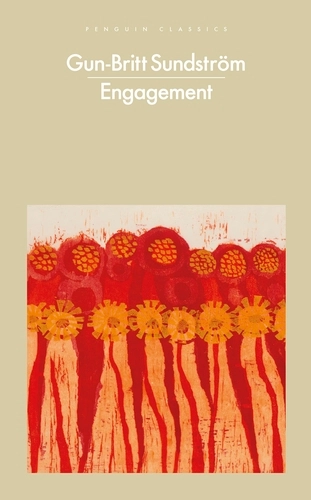
Engagement

When Martina, a student at Stockholm University, finds a note on her desk that says ‘Gustav called’ and wonders who he is, she has no idea that she’s about to fall in love. The first-time reader of Maken (literally ‘The Mate’) is equally unprepared for the turbulent relationship that they are about to have with Martina’s story. Gun-Britt Sundström’s novel has …

When Martina, a student at Stockholm University, finds a note on her desk that says ‘Gustav called’ and wonders who he is, she has no idea that she’s about to fall in love. The first-time reader of Maken (literally ‘The Mate’) is equally unprepared for the turbulent relationship that they are about to have with Martina’s story.

Gun-Britt Sundström’s novel has engaged and provoked readers since it was published in 1976. It has appeared in several editions and continues to provide such contemporary authors as Sara Stridsberg with a source of inspiration. The concept of the Maken divorce became familiar in the 1970s, when wives realized they didn’t need to be married to be happy – and indeed might be happier alone.

The couple spend seven years of their lives, more or less, involved in a relationship that begins as a meeting of twin souls – Martina feels he’s not her other half, but rather her other whole – but quickly begins to show cracks. Gustav claims he’s found the love of his life and is eager to marry. Martina has come to the realisation that marriage is something that doesn’t suit her temperament, while new discoveries, conversations with strangers, and freedom do. In one scene, she pulls deep draughts on her pipe, blissful that she has no foetus to consider. Their negotiations, accusations and attempts to accommodate their needs for sexual intimacy, space and commitment form the core of the book; student life in Stockholm in the 1970s provides the backdrop.


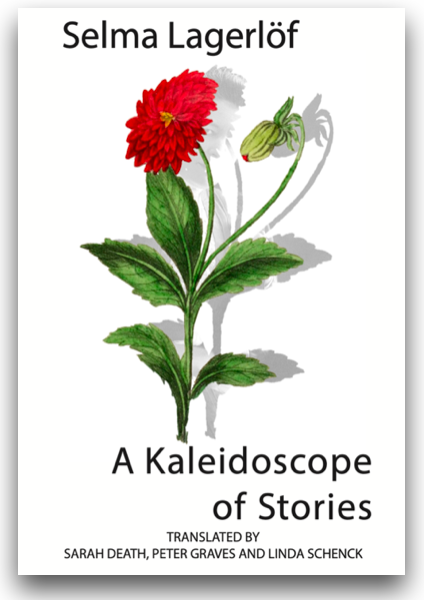
A Kaleidoscope of Stories

An anthology showcasing a masterly storyteller at her best, in nine contrasting tales appearing in their first new English translations for a century.

This new addition to Norvik Press’s well-established ‘Lagerlöf in English’ series turns the spotlight on the power of short stories. The volume contains a carefully chosen selection of Nobel laureate Lagerlöf’s most important stories covering a range of themes, genres and periods of her career, translated by an experienced and prize-winning trio of Lagerlöf translators, Linda Schenck, Peter Graves and Sarah Death.

Key autobiographical pieces, morality tales both dark and light, legends from several lands and folklore-inspired narratives combine to reveal the breadth and stylistic range of Lagerlöf’s storytelling skills.

This is a collection of interest to general readers but also a useful teaching tool for Swedish and comparative literature courses around the world. The book includes a comprehensive and accessible introduction by Lagerlöf specialist Bjarne Thorup Thomsen (University of Edinburgh).

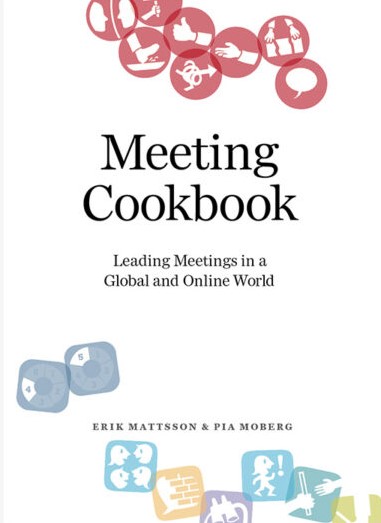
Meeting Cookbook

A practical guide to leading meetings in a global and online world.

Erik Mattsson has long been an expert in meeting techniques and has written practical and entertaining handbooks on getting people to communicate. In this book, he teams up with Pia Moberg to add a cross-cultural dimension and the book looks at different expectations and assumptions that can derail successful communication. In the post-Covid era, practical tips for running in-person, online and hybrid meetings are a key feature.


SELTA

The Swedish-English Literary Translators’ Association
All website content copyright © 2026 SELTA
Login - Privacy Notice - Contact